Just when it seemed like winter might never end, spring came all at once. Green shoots tore from trunks. American robins and red-winged blackbirds joined overwintered blue jays and northern cardinals in song. Mud seemed to seep from the earth, covering shoes, sidewalks and the grass that had finally emerged from the snow. Suddenly, jobs were waiting every time I stepped outside.
Spring taught me a new vocabulary: echinacea, mountain mint, Joe Pye weed, eastern red columbine, prairie dropseed, serviceberry. I planted these native species along with a second season of apple trees. For the first time this year, I also planted pears — the first trees to awaken, their thin leaves waving in spring’s windstorms and occasional flurries.
Coats went in the closet and sweaters came out of drawers. The water resistance of our raincoats was put to the test. The floor under their hooks kept damp.
Then the season’s cool, wet underbelly split open and a torrent of oppressive heat poured out. I’ve made my feelings known on hot, humid weather so I won’t belabor the point, other than to say I suffered and so did some of my trees.
The apple leaves curled and grew brittle under the summer sun. After sprouting a couple dozen leaves each in the wet weather, the pear trees seemed to throw up their hands as soon as summer struck. If spring was the season of new vocabulary, only one word mattered in early July: water.
The native plants I put in months before, though, seemed to take it in stride, growing taller and defiantly toward the sun. So did the second-season apple trees. I found it bittersweet. The new, little apple trees still very much needed my help, but the ones I planted last year already seemed to sustain themselves. Perhaps I was thinking about Augie starting school this fall.
The season leaves little time to think. But it insists that you learn.
Now it is summer and it’s too hot to be outside.
Now it is summer and we’ve also added “heat dome” and “wet bulb temperature” to our vocabularies.
Now it is summer and the sky is filled with the smoke from millions of Canadian trees and thousands of Canadian homes.
We have all become the person at the campfire who the smoke always seems to follow.
On a walk in the strange light, smoke forming a pebble in my throat, I suddenly think about paper birch trees. Do you remember paper birch trees? Those pale, majestic giants with bone-white trunks and trembling green leaves? As a kid, I loved peeling off their papery bark. Then, they were gone. We figured it was a bug. Turns out, they prefer the cold, and this was already the edge of their territory. A few degrees is all it takes. Suddenly they’re stressed enough to let the insects in. They, too, have a name: bronze birch borer.
I lived in Florida. It was supposed to be a temporary stopover, a place of ever-stronger hurricanes — “rapid intensification” is another term we’ve added to our vocabulary — and sea level rise. We came home 14 years later with a feeling of exhalation, of escape — a hope of fresh northern air — only to find the home we left had changed, too.
The heat turns me inward. I’m changing too, and not always for the better. This year, my doctor added a few more words to my vocabulary: losartan, triglycerides, free T4. I spend more time than I should wondering whether I’ll be around to see these trees bear fruit. The answer, according to my doctor’s assurances, is almost certainly yes. But after watching men in my lineage die at progressively younger ages, I can’t help but wonder.
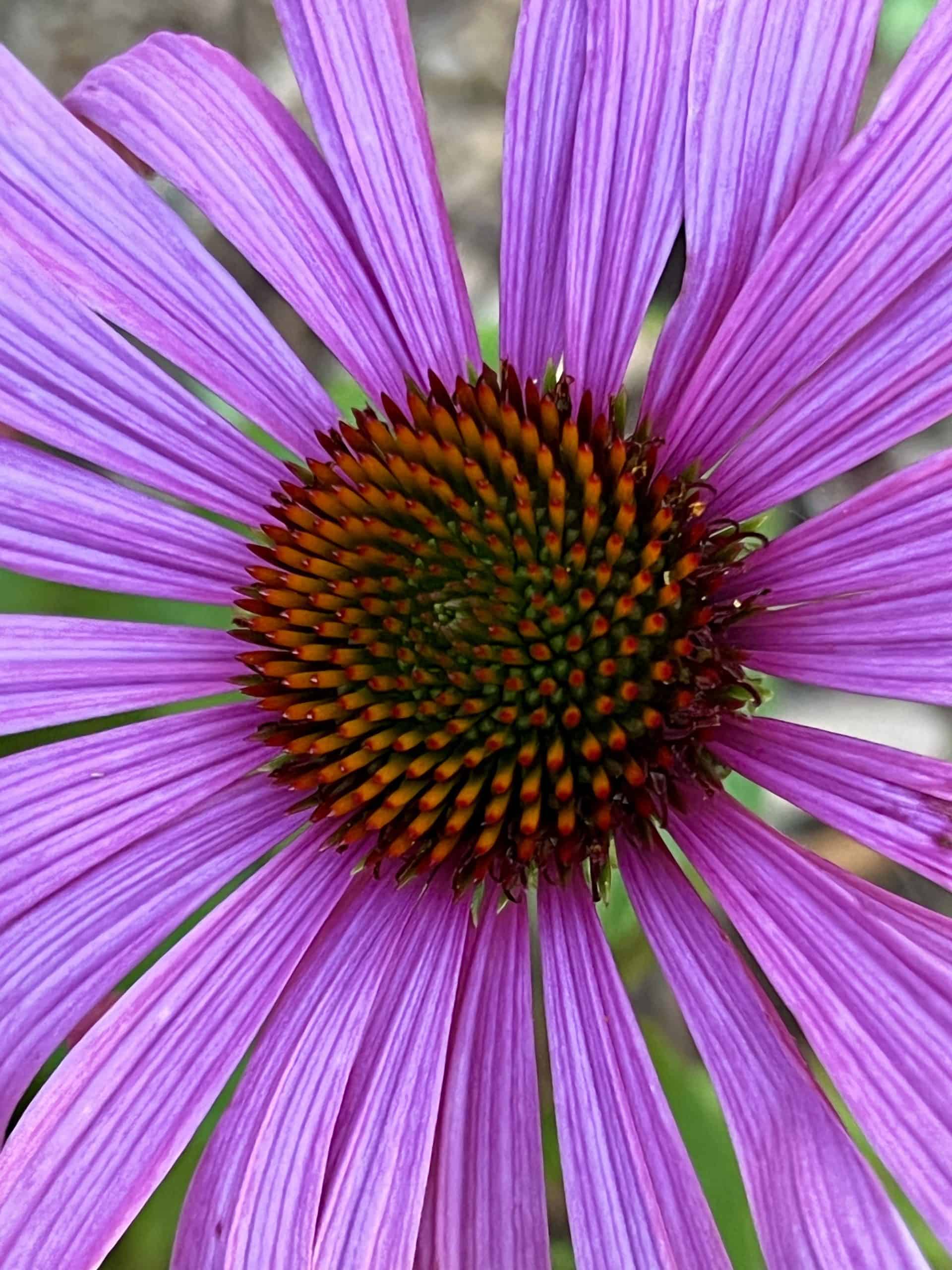
So I try to savor every bite of grape tomato that grows in the yard. I try to stop to admire the purple coneflowers when they’re in bloom. I kneel beside my native plants looking for the pollinators they’re supposed to welcome back.
There’s so much to do and so little time. And the heat keeps building. What will we learn to talk about? I hope for more nature: black swallowtail, anise hyssop, filaments and anthers.
But I can’t escape the fear that just as I learn their names, they’ll disappear.